
Wildlife-Friendly Yard, One Step at a Time
What if your yard could do more than just grow grass?
What if creating backyard sanctuaries is something even disabled people can do?
What if your space could provide food for pollinators, shelter for birds, habitat for butterflies, and even food for your family? Believe it or not, the plants in the photo below are edible (and medicinal!).
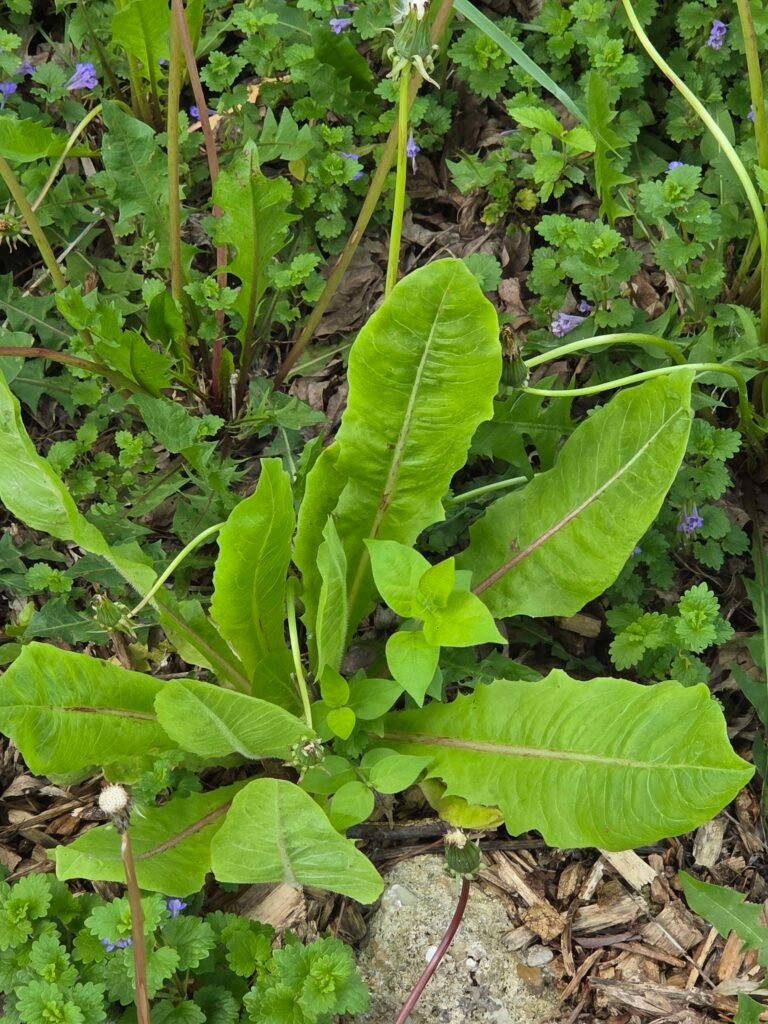
Across North America, homeowners are creating backyard sanctuaries because they are discovering the idea that residential landscapes can be more than decorative spaces. A yard can become a sanctuary for wildlife, a source of fresh food, an outdoor classroom, and a meaningful contribution to conservation.
Welcome to our collection of articles about creating backyard sanctuaries, wildlife habitats, pollinator gardens, food forests, and conservation-minded landscaping.
Whether you have a quarter-acre suburban lot, a small urban yard, or several acres in the country, you can join people who are creating backyard sanctuaries. You can provide habitat that supports birds, bees, butterflies, and other beneficial wildlife like our 8B Preserve does.
Why Backyard Conservation Matters
Wildlife habitat is disappearing at an alarming rate. As natural areas are developed, many species struggle to find food, water, shelter, and places to reproduce. We as a species (humans) will die out if we don’t address this.
The good news is that conservation does not have to happen only in national parks and nature preserves.
It can happen right outside your door.
A bird does not care whether a berry bush grows in a state park or a backyard. A bee does not care whether a flower was planted by a conservation organization or a homeowner. A Monarch butterfly simply needs milkweed wherever it can find it.
When thousands of homeowners dedicate even small portions of their properties to wildlife, those spaces form a network of habitat that helps support biodiversity throughout entire communities.
What Counts as Creating Backyard Sanctuaries?
While every habitat is different, most successful sanctuaries provide four basic elements, as mentioned by the Illinois Audubon Society:
Food
Wildlife needs reliable food sources throughout the year.
This may include:
- Native wildflowers
- Nectar plants
- Berry-producing shrubs
- Seed-producing plants
- Trees
- Vegetable gardens
- Herbs and flowering crops
A diverse landscape provides food for a wide variety of species while helping create a more resilient ecosystem.
Water
Water is essential for birds, pollinators, and countless other animals.
These are some simple options on Amazon (as an affiliate, I may earn from qualified purchases, and it doesn’t add even a penny to your costs).
Even a small water source can dramatically increase wildlife activity.
Shelter
Animals need places to hide, rest, nest, and raise their young.
Here are some examples:
- Trees and shrubs
- Brush piles
- Bird houses
- Nesting boxes
- Ground cover
- Leaf litter
- Native grasses
Not every corner of a sanctuary needs to look manicured. Some of the most valuable habitat features are the ones wildlife uses when humans are not watching.
Space
Wildlife needs room to live.
That does not necessarily require a large property. Even small yards can provide important habitat when designed thoughtfully and connected to other green spaces nearby.
Beyond the Traditional Lawn
One of the biggest challenges facing wildlife-friendly landscaping is the widespread belief that a healthy yard must consist of closely mowed turf grass.
While lawns certainly have their uses, they provide little food or habitat for wildlife when compared to diverse plant communities.
Many of the plants commonly labeled “weeds” are actually valuable resources for pollinators and other beneficial species—and for people. Dandelions, clover, violets, plantain, and many native wildflowers support insects, birds, soil health, and people in ways that grass cannot.
A wildlife sanctuary is not the absence of management.
It is a different form of management—one focused on ecological function rather than uniform appearance.
Conservation and Accessibility
An often-overlooked aspect of conservation is accessibility.
Not every homeowner has unlimited time, money, physical ability, or access to professional landscaping services. Wildlife-friendly landscaping can provide opportunities for people of all ages and abilities to participate in conservation while creating beautiful and productive outdoor spaces.
Conservation should not be reserved for those with large properties or large budgets. Small changes, repeated across many yards, can have a meaningful impact.
The 8B Preserve’s Philosophy
Here at Paint Chips and Pillows, we believe that conservation can support both people and wildlife.
These are what the 8 B letters stand for in the 8B Preserve:
- Bees
- Butterflies
- Birds
- Berries
- Bellies
- Books
- Brains
- Businesses
We belief that conservation, food production, education, creativity, and sustainable livelihoods can work together.
A sanctuary can feed pollinators.
A garden can feed a family.
A project can educate a community.
And a backyard can become something far greater than a patch of grass.
Explore Sanctuary Articles
The articles below document our experiences and show how you can create wildlife habitat, support pollinators, and transform a residential property into a more sustainable landscape.
Whether you are looking for practical advice on creating backyard sanctuaries, inspiration, or simply proof that ordinary people can make a difference, we hope these resources encourage you to take the next step toward creating your own beneficial space.
Because conservation does not begin in a distant wilderness.
It begins at home.
The University of Illinois Native Bees