
The Story Behind This Property
The 8B Preserve (mentioned on IL Bird, Bee, and Butterfly Sanctuary) is more than a bird, bee, and butterfly sanctuary in Illinois. It is also an ongoing experiment in conservation, accessibility, sustainability, and learning.
Like many properties throughout Illinois, this yard was once maintained primarily as a traditional lawn. For years, we tried to keep up with the expectations that many communities place on residential landscapes. The result was a constant cycle of mowing, trimming, weed control, and maintenance that consumed time, money, fuel, and physical effort while providing very little benefit to wildlife.
We began asking simple questions:
What if this property could do more?
What if it could feed pollinators instead of just producing grass? The bee population is dying and at risk of extinction due to insecticides.
What if our yard could support birds instead of requiring constant mowing?
What if it could become part of the solution to habitat loss rather than contributing to it?
Those questions became the foundation of what is now known as the 8B Preserve, a place that supports Birds, Bees, Butterflies, Berries (and other sustainable, healthful foods), Bellies (reducing hunger and helping feed people), Books, Brains (education, learning, and knowledge), and Businesses (small businesses and solopreneurs).
Why There Is No Traditional Grass Lawn
Many people assume that grass is the natural state of a yard. In reality, the modern American lawn is a highly managed landscape that requires significant ongoing maintenance.
Traditional lawns often demand:
- Frequent mowing
- Watering during dry periods
- Fertilizer applications
- Weed control
- Fuel or electricity
- Ongoing labor and expense
While lawns may have their place, they provide relatively little food or habitat for wildlife when compared to more diverse plant communities.
A yard filled with turf grass may appear neat and orderly, but it offers no nectar for pollinators, no seeds for birds, no host plants for butterflies and moths, and no shelter for wildlife.
The 8B Preserve was intentionally designed to move away from the idea that a residential property must be covered by short-cut grass.
Instead, our goal is to create a landscape that provides ecological value while remaining manageable for the people who live here.
A Property Shaped by Reality
Conservation is not the only reason this property looks different from a conventional lawn.
Like many Americans, our family faces real-world limitations.
We live with multiple disabilities that affect mobility, stamina, balance, and physical endurance. Tasks such as mowing, trimming, hauling yard waste, and maintaining a lawn are not simply inconvenient. They can be physically difficult or, at times, impossible. Like many disabled people, the residents have low income and cannot afford to hire a landscaper to mow for them.
When people discuss landscaping, they often assume that every homeowner is able-bodied and has unlimited time, money, and energy.
That is not reality for many families.
The 8B Preserve was created in part because we needed a landscape that could work with our circumstances rather than against them.
Instead of fighting the property every week, we began exploring ways to make the property more self-sustaining, more environmentally beneficial, and more accessible to animals and humans (able-bodied and disabled alike).
The Problem With Fighting Nature
Nature abhors a vacuum. It always fills empty space. When a piece of ground is left as bare dirt, plants move in.
The question is not whether something will grow. The question is what will grow.
Many plants commonly dismissed as weeds are actually performing important ecological functions.
Dandelions provide nectar and pollen.
Narrow-leaved and broad-leaved plantain support wildlife and have a long history of medicinal use.
Clover improves soil health while feeding pollinators.
Violets serve as host plants for certain butterfly species.
Chicory attracts beneficial insects.
These plants are often treated as enemies simply because they do not fit the modern definition of a lawn.
At the 8B Preserve, we take a different view.
Rather than asking whether a plant belongs to a particular category, we ask what purpose it serves within the ecosystem.
Building Habitat Instead of Maintaining Turf
The primary purpose of this property is not to produce grass so we can fit in or impress the neighbors.
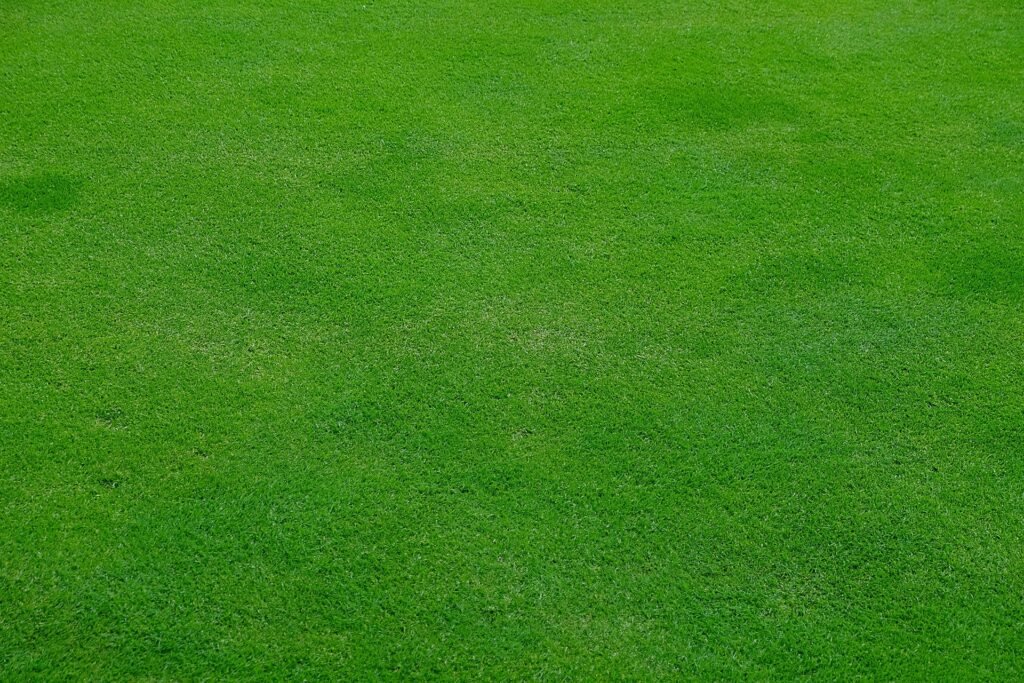
Its purpose is to support life—nature’s and ours.
Throughout the property, we maintain resources for wildlife:
- Water sources
- Bird houses
- Brush piles
- Native and naturalized plants
- Nectar sources
- Berry-producing shrubs
- Host plants for butterflies
- Shelter for beneficial insects
Each of these elements contributes to a functioning ecosystem and fulfills requirements the Illinois Audubon Society has for sanctuaries.
The result is a landscape that changes throughout the year.
Spring brings early flowers and returning pollinators.
Summer brings nesting birds, butterflies, and blooming plants.
Autumn provides seeds, berries, and shelter.
Even winter offers habitat value through standing stems, deciduous tree leaves allowed to remain where they fell, brush piles, evergreen cover, and food.
A traditional lawn offers little seasonal diversity. A wildlife habitat offers something valuable throughout the year. It might not look attractive to neighbors, but it sure looks attractive to animals. If humans expect to survive as a species, we must support the plant and animal species.
Why We Do Not Use Chemical Herbicides
Another important aspect of the 8B Preserve is our commitment to avoiding chemical herbicides and pesticides.
Many products designed to eliminate “weeds” or insects do not distinguish between harmful and beneficial species. They kill everything but grass.
Pollinators can be killed directly through exposure to treated plants and indirectly through habitat loss.
Because our goal is to support wildlife, we choose safe methods.
That means removing invasive species manually, using mulch, and occasionally applying boiling water or vinegar where appropriate.
These methods require less effort than mowing grass, and they align with our mission of protecting the creatures that depend on this habitat.
Conservation Begins at Home
When people think about conservation, they often imagine large national parks, wildlife refuges, or remote forests.
Those places are important.
However, conservation also happens in yards, community gardens, and small urban lots.
Many species spend their entire lives moving between small patches of habitat created by ordinary people.
A bee does not care whether a flower grows in a national park or a residential yard.
A butterfly does not know whether milkweed was planted by a conservation organization or a homeowner.
Wildlife benefits whenever habitat exists.
The 8B Preserve is our contribution to that effort.
An Ongoing Project
The preserve is not finished.
Like nature itself, it is constantly changing.
New plants are added each year. Existing plants spread and mature. Wildlife discovers new resources. Habitat features are improved and expanded. Trash is removed.
Some experiments succeed. Others fail.
We continue learning, adapting, and improving.
Our long-term vision is a landscape that supports birds, bees, butterflies, beneficial insects, and people while requiring fewer resources than a conventional lawn.
A Different Way to Think About a Yard
The 8B Preserve is an invitation to rethink what a yard can be.
A yard does not have to be a monoculture of grass, which is terrible for the environment.
A yard does not have to be maintained solely for appearance.
A yard can provide food, shelter, water, beauty, education, and ecological value all at the same time.
Most importantly, a yard can become a place where people and wildlife thrive together.
That is the purpose of the 8B Preserve, and it is the future we are working to build one season at a time.
Balancing Conservation, Accessibility, and Community Expectations
One of the challenges faced by many homeowners who create wildlife habitats is balancing conservation goals with local ordinances and community expectations.
Organizations such as the Illinois Audubon Society encourage habitat practices that provide food, water, shelter, nesting opportunities, and safe spaces for birds, pollinators, and other wildlife. These practices often involve maintaining diverse plant communities, preserving natural areas, reducing chemical use, leaving seed heads and stems standing for wildlife, and creating spaces that support the complete lifecycles of native species.
At the same time, many municipalities were built around a model that emphasizes closely mowed turf grass and highly uniform and conforming landscaping.
These two approaches do not align well.
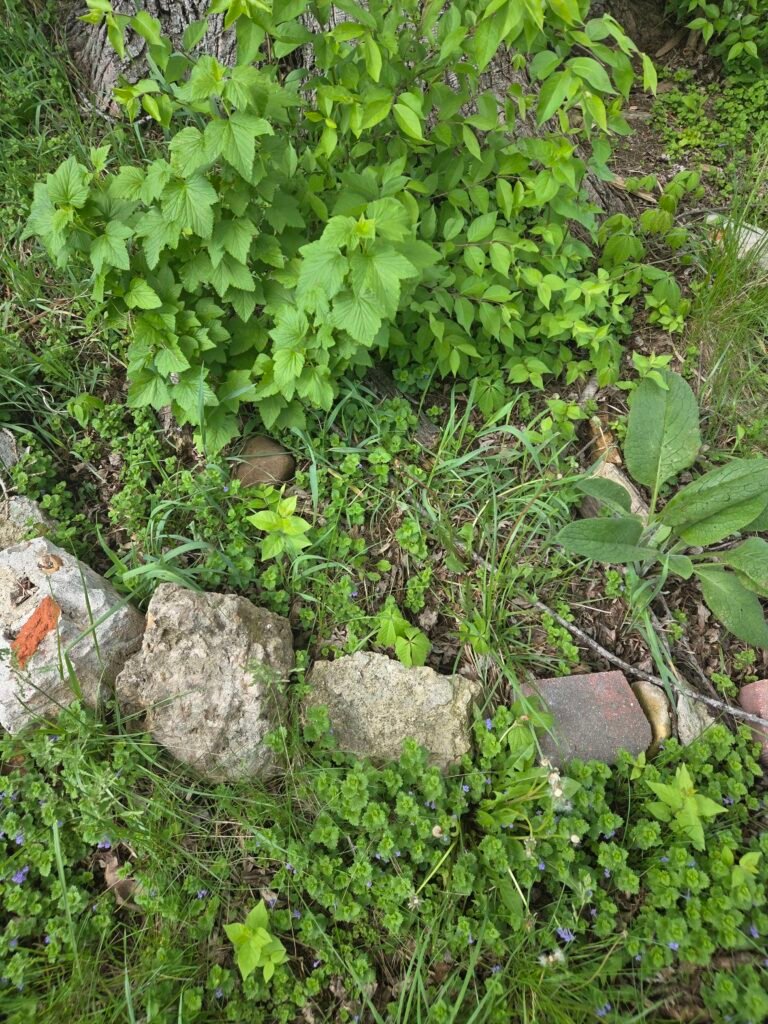
A healthy wildlife habitat may contain native flowers, beneficial volunteer plants, berry-producing shrubs, pollinator host plants, brush piles, overwintering stems, and other features that increase ecological value but look different from a conventional lawn. What appears untidy to one observer may be providing food, shelter, or nesting habitat for dozens of species of animals.
The 8B Preserve exists within that reality.
Our goal is to create and maintain a property that supports birds, bees, butterflies, and other wildlife while remaining a responsible part of the community. We work continuously to improve the appearance, organization, and intentional design of the habitat so that it is clear this property at 8B Preserve is being actively managed rather than neglected.
Conservation Is Not Neglect
One of the most common misconceptions surrounding wildlife-friendly landscapes is the belief that a yard must resemble a traditional lawn in order to be properly maintained.
The 8B Preserve is actively managed throughout the year as much as the disabled residents can. Plants are selected and maintained with specific ecological goals in mind. Water sources are cleaned and monitored. Habitat features are intentionally placed. Invasive species are controlled without the use of chemical herbicides or pesticides. Wildlife resources are added, expanded, and improved.
Unlike the one in the photo below, this is not an abandoned property.
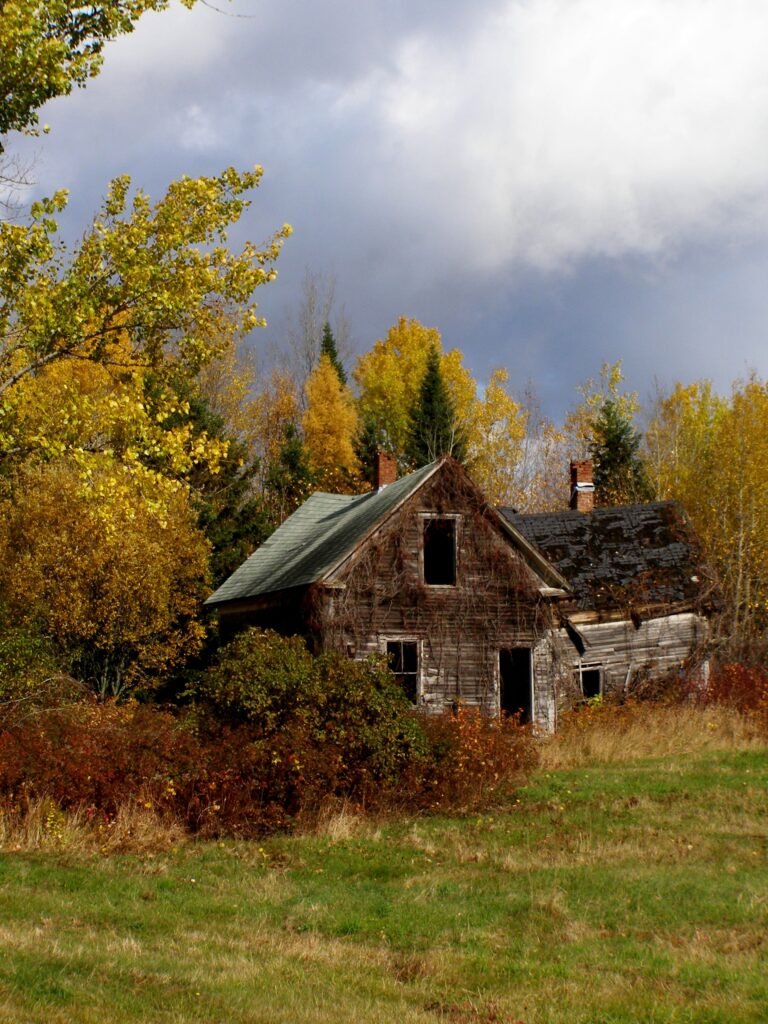
It is a managed habitat.
The standards used by conservation organizations focus on supporting biodiversity and creating sustainable ecosystems. These priorities differ from landscaping standards that emphasize large areas of closely mowed turf grass that’s often full of poisons. As a result, a successful wildlife habitat may not resemble a conventional lawn.
The 8B Preserve was created to demonstrate that residential properties can serve multiple purposes at once. A yard can support biodiversity, provide food for pollinators, offer shelter to birds and beneficial insects, improve environmental health, and remain an actively managed part of the community.
Conservation and Accessibility
The 8B Preserve also reflects an important reality that is often overlooked in discussions about property maintenance.
Not every homeowner has the same physical abilities, financial resources, available time, or family support.
For us, the question is not simply what kind of yard we prefer. It is also what kind of yard we can realistically maintain while living with significant physical disabilities. Traditional lawns require ongoing mowing, trimming, hauling, and other repetitive physical tasks. Wildlife-friendly landscaping allows me to invest the energy I do have into creating habitat, supporting pollinators, growing food, improving soil health, and enhancing the property over time.
The result may look different from a conventional lawn, but it reflects careful planning, active stewardship, and a commitment to both environmental responsibility and accessibility.
We believe conservation should not be limited to those with unlimited resources, perfect health, large budgets, or professional landscaping services. Sustainable landscapes should be accessible to older adults, disabled individuals, caregivers, working families, and anyone who wants to contribute to local conservation efforts.
Why This Matters
The conflict surrounding properties like the 8B Preserve is part of a larger national conversation.
Conservation organizations, environmental scientists, and wildlife advocates increasingly encourage homeowners to replace portions of traditional turf grass with habitat that supports birds, bees, butterflies, and other wildlife. At the same time, many local ordinances were written decades ago with the assumption that a well-maintained property is one that consists primarily of closely mowed grass.
Those two visions are incompatible.
As a result, homeowners who are attempting to improve biodiversity, reduce chemical use, support pollinators, and create wildlife habitat may find themselves at odds with regulations that were never designed with conservation practices in mind.
That tension is not theoretical for the 8B Preserve. The property has been the subject of complaints and enforcement actions because it does not conform to traditional lawn expectations. The possibility of significant financial penalties creates a difficult situation: comply with local standards that favor turf grass, or continue developing habitat that aligns with recognized conservation principles supported by the Illinois Audubon Society and other respectable organizations.
As a disabled homeowner, the issue is even more complicated. Lawn maintenance depends heavily on repetitive physical labor, while wildlife-friendly landscaping can provide environmental benefits with less fuel, chemicals, water, and physical effort. For many people, including those with disabilities, sustainable habitat design is not simply an environmental preference. It is also an accessibility issue.
The purpose of the 8B Preserve is to demonstrate that residential properties can serve wildlife, support conservation, and remain responsibly managed. My hope is that, over time, communities across Illinois and beyond will recognize that ecological stewardship and responsible property ownership can take many forms, and that a healthy landscape is not a monoculture of mowed grass.
Looking Toward the Future
The goal of the 8B Preserve is not to reject community standards. The goal is to demonstrate that ecological stewardship, accessibility, and responsible property management can coexist, even though they look different from a traditional lawn.
We believe that the future of conservation depends not only on parks, forests, and nature preserves, but also on the willingness of ordinary people to dedicate portions of their own properties to supporting the natural world.
Every flower planted for a pollinator, every bird bath provided, every chemical avoided, and every small habitat restored contributes to a healthier environment for everyone.
The 8B Preserve is our contribution to that effort, and we hope it inspires others to discover that conservation can begin right outside their own door.